



Differences in drone frames of the same type
2025-11-25
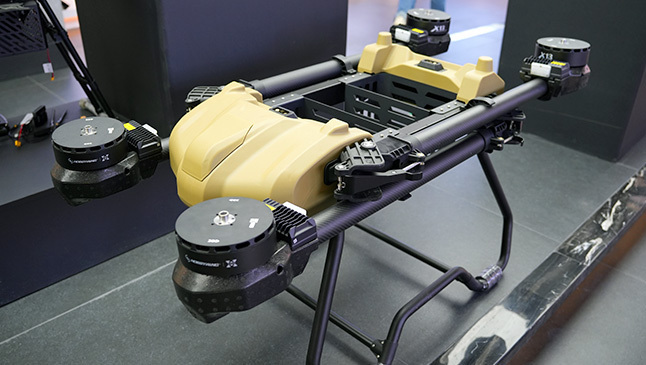
Differences in drone frames of the same type
In the drone industry, the frame is like the skeleton of the human body, determining the stability and lifespan of the entire drone. A good drone frame is not just a few metal rods pieced together, but the result of repeated testing, optimization, and processing. Today, from the perspective of a drone material processing engineer, let's talk about what exactly makes drone frame materials special.
| type | Common materials | feature | Typical Applications |
| Aluminum alloy frame for drone | Aluminum alloy 6061 / 7075 | Lightweight, moderate strength, and flexible processing | Aerial drone, security drone |
| Carbon fiber frame for drone | Carbon fiber board | Extremely lightweight, strong torsion resistance, high price | Industrial drones, racing drones |
| Steel sheet metal frame | Stainless steel / galvanized steel sheet | Heavy, impact-resistant, suitable for welding | Agricultural drones, transportation drones |
| Mixed-structure frame | Aluminum alloy + carbon fiber | Balancing strength and weight | Surveying and mapping drones, military drones |
Different drone frame materials have their own advantages and disadvantages. For example, carbon fiber has good strength, but once it breaks, it is difficult to repair; aluminum alloy can be repaired and welded, making it suitable for mass production; steel, although bulky, has advantages in some transport drones.
ReviewsNumber of comments: {{ page.total }}
I want to comment?
{{item.nickname ? (item.nickname.slice(0, 2) + '*****') : item.source === 1 ? 'mall buyer' : '--'}}
{{item.comment_time}}
Review in the {{item.country}}
Reviews
Merchant
{{replyItem.nickname ? (replyItem.nickname.slice(0, 2) + '*****') : replyItem.source === 1 ? 'mall buyer' : '--'}}
{{replyItem.parent_nickname ? (replyItem.parent_nickname.slice(0, 2) + '*****') : '--'}}
{{replyItem.is_merchant_reply === 1 ? replyItem.reply_time : replyItem.comment_time}}
Review in the {{replyItem.country}}
Reviews

No customer reviews
recommended for you
Get in touch with us
Guangzhou E-FLY Technology Co., Ltd.